OpenAI Countersues Apple, Alleging Supplier Pressure, Hiring Curbs and Theft of Unreleased Device Files
OpenAI filed counterclaims against Apple on 27 November 2026, alleging trade secret theft, pressure on shared suppliers and unlawful employee restraints. Apple calls the filing a distraction from its own July lawsuit.
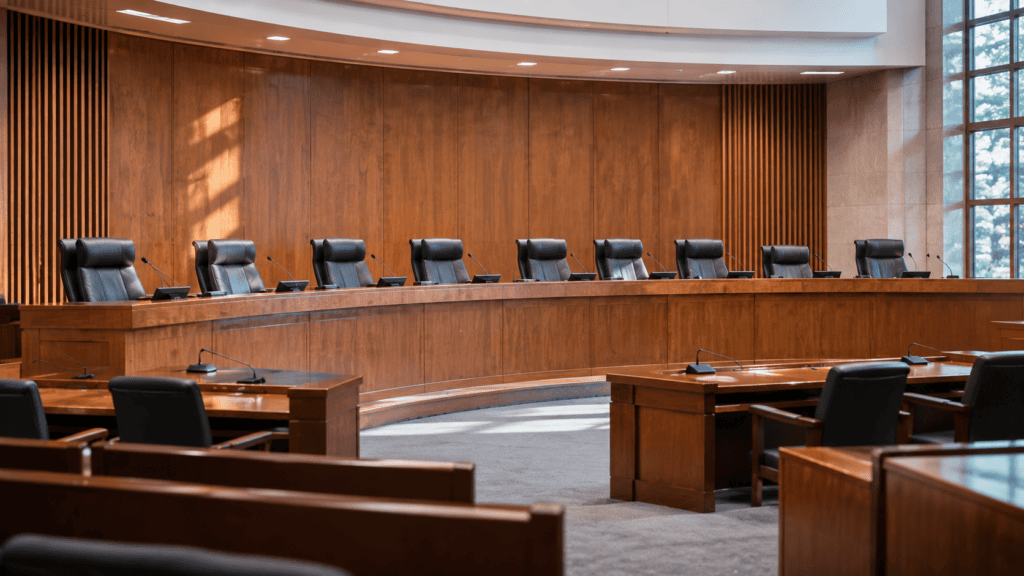
“Apple’s power over suppliers and engineers cannot lawfully be used to exclude competing purchasers and employers from the market.” With that line in counterclaims filed on Friday, 27 November 2026, OpenAI turned the OpenAI Apple lawsuit into a two-way fight. The ChatGPT maker accuses Apple of taking its trade secrets, pressuring hardware suppliers and using employment contracts to keep engineers from leaving.
Apple rejects the claims. It called them “a transparent attempt to distract from the substance of Apple’s lawsuit”, the case it filed against OpenAI and two former Apple employees in July. OpenAI lodged its counterclaims in that same OpenAI Apple lawsuit, which is being heard by the US District Court for the Northern District of California.
The OpenAI Apple lawsuit filing in one paragraph
OpenAI says it is building AI-enabled personal devices that threaten to “outcompete Apple on what Apple views as its own turf”, and that Apple has responded by trying to shut it out. Its counterclaims make three main allegations: that Apple obtained OpenAI hardware secrets through a rehired employee, that it leaned on shared suppliers, and that its employee agreements unlawfully restrict where engineers can work. These are allegations in a court filing; no court has ruled on them.
Who claims what in the OpenAI Apple lawsuit
| Issue | Apple’s position | OpenAI’s position |
|---|---|---|
| Original claim (July 2026) | OpenAI, its hardware chief Tang Tan and former engineer Chang Liu misappropriated Apple trade secrets for OpenAI’s hardware push | Denies wrongdoing; says Apple’s case depended on monitoring Liu’s personal messages after he left; has asked the judge to dismiss it |
| Trade secrets in the other direction | Says it has rules against using information from staff members’ previous employers and found nothing to back OpenAI’s claim | A worker who moved from Apple to OpenAI and back again forwarded “over a hundred highly confidential files” about an unreleased OpenAI product to private accounts |
| Suppliers | Denies any attempt to hold back rival AI hardware makers | Apple leans on shared suppliers to disclose OpenAI work and which of their staff have Apple experience |
| Employment contracts | Not addressed in its statement | Apple’s agreements define confidential information too broadly and bar former staff from recruiting Apple workers for a year |
The rehired-employee allegation
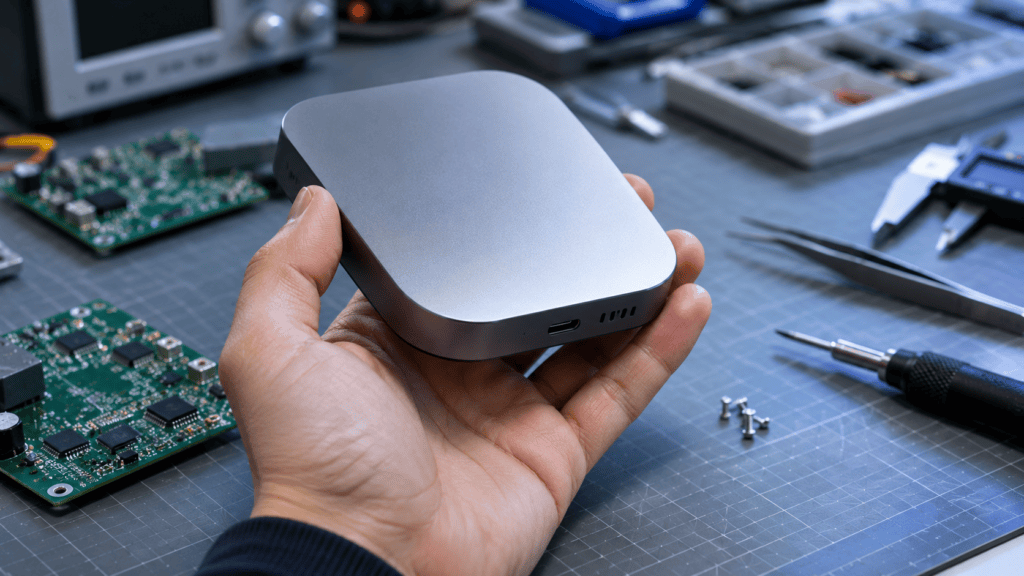
According to the filing, a former Apple employee joined OpenAI, worked there for six months, and then returned to Apple. During that time, OpenAI says, the employee had access to details of a new device and to OpenAI’s plans for future hardware. OpenAI alleges the forwarded material covered pictures of hardware not yet on sale, engineering and production data, and details of suppliers.
“Given the timing, it now appears that stealing those documents may have been his reason for joining OpenAI in the first place.”
OpenAI, counterclaims filed 27 November 2026
Apple denied using the rehired employee to obtain OpenAI’s confidential information, one of several denials in the OpenAI Apple lawsuit. The employee is not named in the reports of the filing.
What OpenAI says Apple did to suppliers
The supplier allegations are the most commercially sensitive part of the OpenAI Apple lawsuit. According to the counterclaims:
- Suppliers are asked by Apple to list OpenAI projects along with the “names, locations, and assignments” of staff who have worked for Apple.
- Staff who have worked on OpenAI products are then kept off Apple jobs, OpenAI says, so suppliers think twice before assigning people to OpenAI.
- One finishing-services supplier moved its OpenAI work to the night shift so it would not overlap with Apple work, raising OpenAI’s costs; OpenAI says it did this under Apple pressure.
- Some suppliers have moved or rescheduled meetings with OpenAI so that Apple would not see them, the filing says.
Apple has not responded publicly to each supplier example in the OpenAI Apple lawsuit. Its general position is that it did not try to suppress competition in AI devices.
The fight over employee agreements
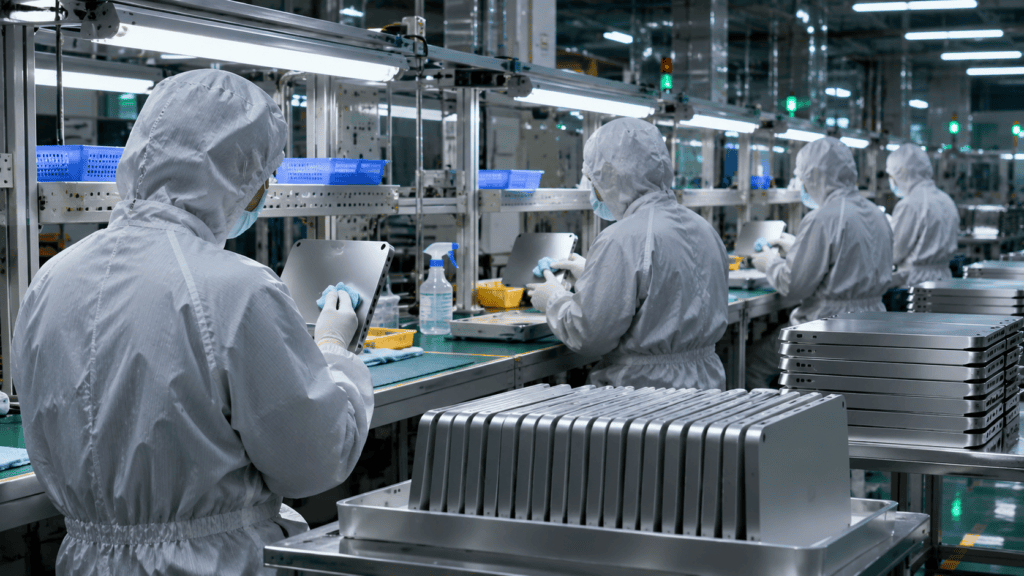
OpenAI is also challenging Apple’s intellectual property agreements, which staff must sign. It argues they treat almost any nonpublic information learned at Apple as protected, even if it is not a trade secret, so former employees cannot freely use their professional skills and risk being sued. It also challenges a one-year ban on former Apple staff recruiting Apple workers.
OpenAI further says Apple encourages employees to work on personal Apple devices and accounts and then keeps access after they leave, allowing it to “monitor and ensnare departing employees”. According to Reuters, the filing puts the number of people who have moved from Apple to OpenAI at 400. OpenAI uses that figure to argue in the OpenAI Apple lawsuit that Apple wants to deter departures.
How the OpenAI Apple lawsuit got here
| Date | Development |
|---|---|
| Earlier years | The companies work together to build ChatGPT into iPhone, iPad and Mac software; the relationship later cools |
| 2025 | OpenAI acquires io Products, the AI device start-up co-founded by a group including former Apple executive Tang Tan |
| January 2026 | Former iPhone engineer Chang Liu joins OpenAI |
| July 2026 | Apple sues OpenAI, Tan and Liu for alleged trade secret theft |
| October 2026 | OpenAI agrees not to use the trade secrets Apple says were taken, after the judge indicates he is likely to order it |
| 27 November 2026 | OpenAI files counterclaims against Apple |
Tan worked at Apple for 24 years and led product design for the iPhone and Apple Watch as a vice-president. Apple claims Liu used an authentication bug to reach confidential hardware files over several weeks while building devices for OpenAI; OpenAI and the employees deny the allegations.
Why it matters for the AI device market
The OpenAI Apple lawsuit is now about more than who took which files. It tests how far a dominant hardware maker can go in controlling suppliers and former staff when a new rival enters its market. Former Apple design chief Jony Ive is helping OpenAI develop a family of devices, according to Bloomberg, which reported that a ring-shaped smart speaker is likely to come first.
For suppliers, the OpenAI Apple lawsuit filing describes a squeeze between a huge existing customer and a new one. For engineers, the challenge to Apple’s agreements could affect how freely staff can move between the two companies. Apple, for its part, says the case is about OpenAI employees “deliberately stealing, accessing, and using” its confidential information.
What happens next
- Apple will answer the counterclaims in the OpenAI Apple lawsuit; no timetable was given in the reports.
- The judge has yet to rule on OpenAI’s request to dismiss Apple’s original lawsuit.
- Any ruling on the employee agreements could matter well beyond these two companies.
- OpenAI’s first devices, and when they launch, remain undisclosed.
Sources
- Court record: case 5:26-cv-07078 (Apple v. Liu), Northern District of California, San Jose division
- Bloomberg report on the counterclaims, 28 November 2026 (syndicated)
- The Guardian (Reuters), 27 November 2026
- CNBC, 27 November 2026
More from the region: Americas and World Business News.
Based on court filings and company statements as reported up to 29 November 2026. All claims are allegations not tested in court. Not legal or investment advice.
This story follows our editorial policy. Spotted an error? Tell us.